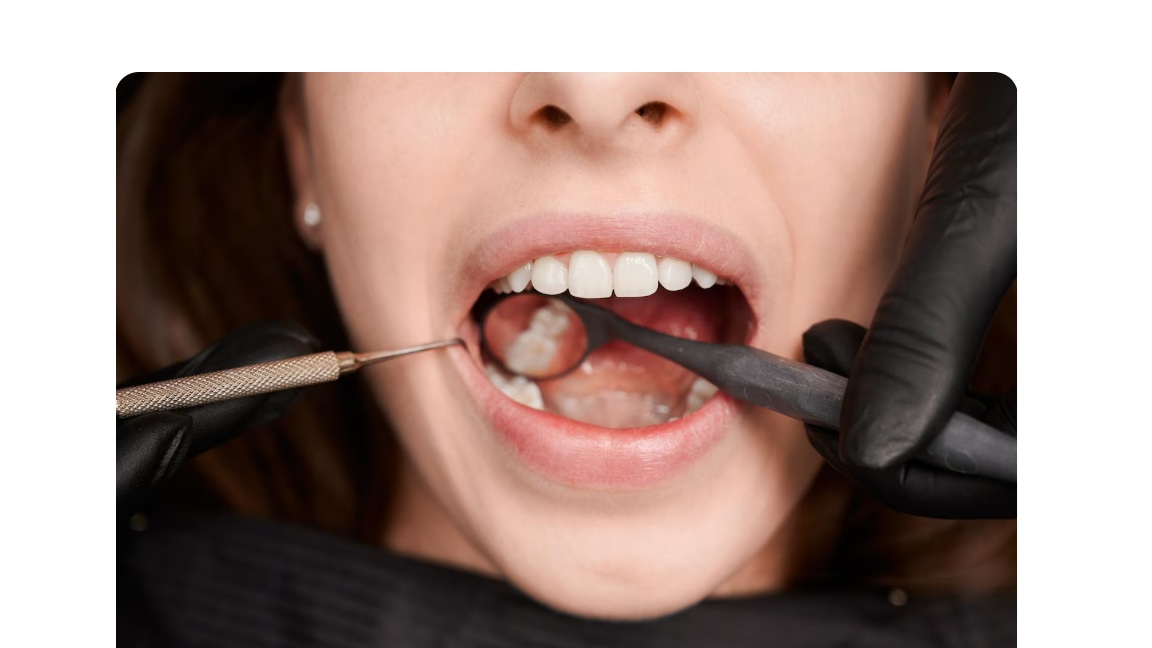

Learning dental topics can feel confusing at first, especially when everything is just text and diagrams. Many learners struggle to picture how things actually look inside the mouth. That’s where tools like dental study models help a lot. They make things more real and easier to follow without too much guessing. Seeing structure clearly often makes learning feel less heavy and more manageable.
Visual Learning Makes Things Easier
Books are useful, but sometimes they don’t show depth properly. Teeth and gums have layers, shapes, and positions that are not always easy to imagine from flat images.
With a model, learners can observe angles and placement more clearly. It becomes easier to understand how different parts connect. This kind of visual support improves clarity without extra effort.
Better Understanding With Hands-On Practice
When someone can touch and rotate a model, learning changes a bit. It feels more active instead of passive reading. This helps the brain remember things longer.
A good dental implant models can help in:
-
Understanding implant positioning
-
Learning treatment basics step by step
-
Seeing the relation between gum and bone structure
-
Improving confidence during practice sessions
It supports learning simply and practically.
Useful Beyond Just Students
These models are not only for dental colleges. Many different people use them for different reasons.
Some common users include:
-
Dental students during training
-
Clinic professionals for demonstrations
-
Teachers explaining oral biology
-
Patients are trying to understand procedures
This flexibility makes them more useful than people usually expect.
Helps In Real-Life Explanation
In clinics, explaining procedures can be tricky. Patients don’t always understand technical words. Using a model makes communication easier.
When patients see the structure, they understand faster. It reduces confusion and makes discussions smoother. This small change improves the overall experience.
Learning Feels Less Complicated
Dental education often feels overloaded with information. Models reduce that burden slightly. Instead of memorizing unquestioningly, learners start understanding naturally.
This builds confidence slowly. It also makes the process less stressful and more practical over time.
Conclusion
Understanding dental structures becomes simpler when visual tools are used properly. Resources like dental study models help learners see things clearly without overcomplicating the process. In the end, combining simple study methods with dental implant models can improve both learning speed and confidence. Taking this approach can make dental education feel more natural and easier to handle in the long run.